Small Stories & Tiny Tales
No story too quiet or too small

We tend to think of stories as living in books, in children's picture books or novels written by clever people featured in the Guardian. But we hear stories even before we can read. We were told them purposefully, and we eavesdropped because people forgot we were there. Our first stories were not those of the Hungry Caterpillar or Sleeping Beauty, but the neighbours' antics or family dramas. That so and so is having it away with Linda whilst her husband is at work, or Dave has had Derek's lawnmower in his shed for three years; apparently, he had a reputation for never giving things back. These tales are powerful, and we recognise this even before we fully understand what the words mean.
Over the years, the stories become more powerful, almost sacred, as they are told and re-told. They may only be simple human stories, but they give us a sense of who we are as people. These small stories and tiny tales are why I write. I loved the Hungry Caterpillar, but the story of my nan putting on her lipstick and coat to defend her daughters' honour from a neighbouring gossip was much more exciting. Or when my mum threw a spoilt girls' new, red patent shoes over a tall wall because she was showing off. My grandad was so enraged that he chased her around the flats with a belt. They never did find them, and we cheered because my mum could never afford new shoes and she was our hero. These are the little snippets that I listened to time and again. Little yet powerful stories that speak of character, defiance and guts. The stories families repeat speak volumes about what they value but are often overlooked by the houses that deem tales too ordinary to publish.
There exists within the publishing world a thirst for originality. A lust for new voices - to be unique, emerging, and exciting. I have often made the mistake of trying to write from the perspective of another life, to write more beautifully and with more edge. It's common knowledge that working-class writers are under-represented in literary fiction. I think it's because the industry doesn’t want our small stories and tiny tales. We must write from the extreme of poverty, addiction or dysfunction, but more often than not, these are not our stories; why should they have to be? We should be allowed to write quiet and nuanced stories too, based on the tales we have carried with us. Stories we listened to when the adults forgot we were there.
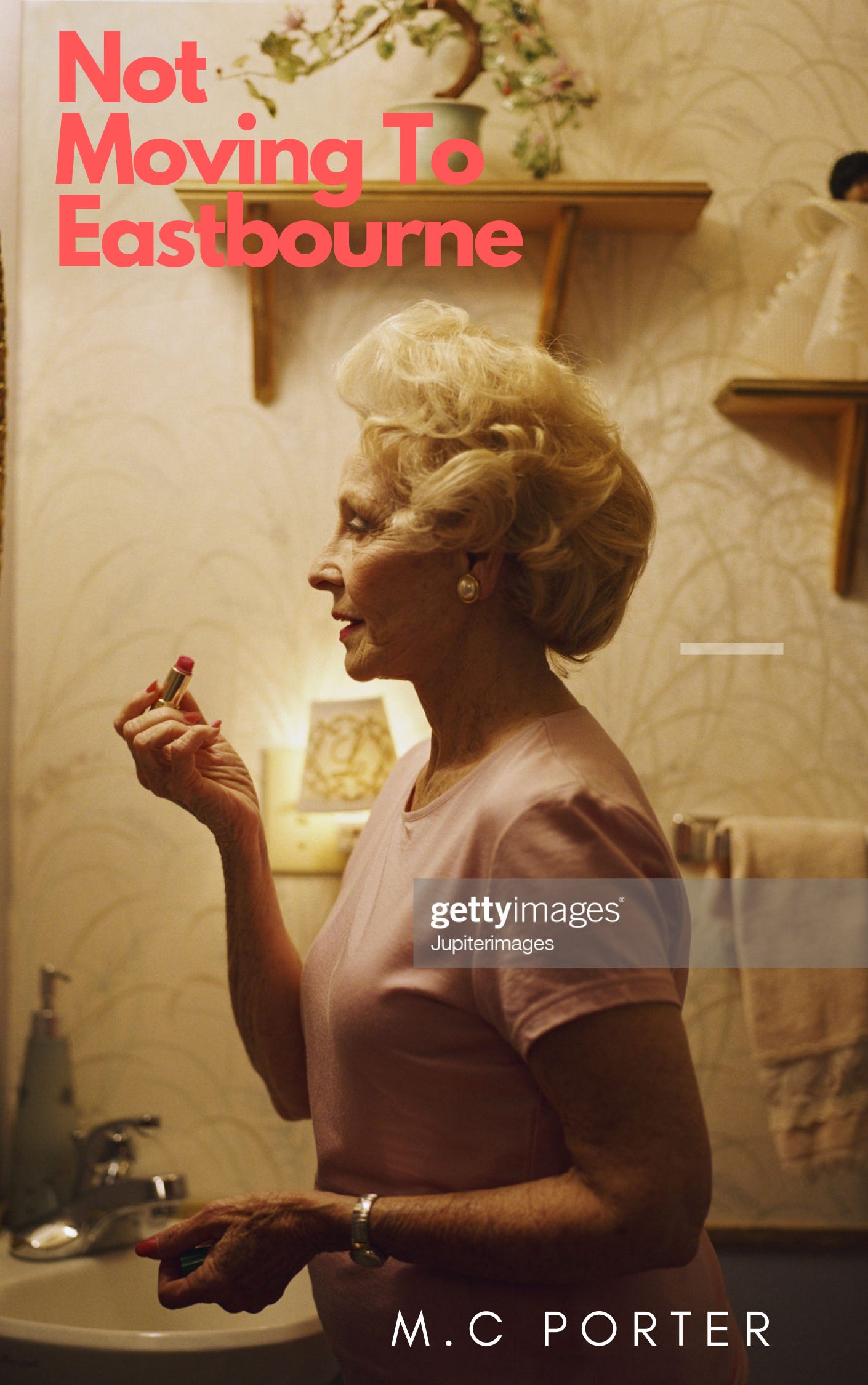
Michelle has finished her debut novel 'Not Moving to Eastbourne' and is seeking representation.